MySafeRide - Manage your rides
- 3.3
- Rating
- 100.00K
- Installs
- Free
- Price

 Analysis by App-foxy
Getting to a medical appointment can be stressful before the journey even begins, especially when the ride depends on a health plan rather than a normal taxi or rideshare service. MySafeRide is built for that specific situation: it helps health plan members book and manage rides in one place. After spending time with it, my view is fairly clear: this is a focused convenience tool, not a general transportation app. When your plan supports the service and your trips fit its intended purpose, it can make routine ride coordination easier. If you need broad ride-hailing choices, instant pickup, or a flexible travel planner, you will probably find a conventional alternative more useful.
The app is free, intended for everyone, and comes from SafeRide Inc. It belongs in the medical category rather than the usual transportation category, and that distinction matters. Its value is tied to the relationship between a member, a health plan, and an eligible ride. I would not judge it by the same standards as an app that lets anyone summon a car to any address. The more relevant question is whether it reduces the small administrative tasks that often surround health-related transportation.
What using MySafeRide is really like
The first thing I noticed is that the experience is organized around managing a planned medical ride rather than browsing vehicles or comparing drivers. That makes the app feel narrower than Lyft, Uber, a local taxi app, or a hospital shuttle tool, but the narrower design is also its point. A member who already knows that transportation is available through a health plan does not necessarily need a marketplace full of choices. They need a practical way to arrange the trip and keep track of it.
You May Also Like

 Blood Strike: 2.5 Anniversary
Blood Strike’s Loadouts Turn Every Drop Into a Tactical Gamble
A close look at Blood Strike’s custom loadouts: how fast access to signature weapons reshapes its battle royale rhythm, rewards preparation, and narrows the gap between fights.

 Pandora - Music & Podcasts
Pandora’s Music Is Easy to Start, but Harder to Recover
Pandora’s strength is its low-effort path from a seed to a station. Its weak spot is how much confidence it asks you to place in connection, setup, and quiet recovery.

 8 Ball Pool
 Is Built on Rivalries, Rematches, and Routine
A close look at the rivalries, rematches, shared routines, and unanswered safety questions that turn a quick pool match into a persistent mobile community.

 Samsung Music
’s Quiet Strength Is Playing What You Already Own
Its reach comes less from spectacle than from dependable access to a personal library. That simplicity is both the app’s strongest retention engine and its ceiling.

 AccuWeather: Weather Radar
AccuWeather Review: A Quick, Clear Forecast for Everyday Decisions
For everyday plans, the best forecast is the one you can understand quickly. AccuWeather makes rain timing, radar, and local conditions easy to act on, with a few trade-offs.

 Hill Climb Racing
Why Hill Climb Racing Still Turns Crashes Into One More Run
A tiny car, a bumpy hill and one more upgrade: Hill Climb Racing keeps resurfacing because its simple chaos makes every near-miss feel personal.
More From Our News Desk



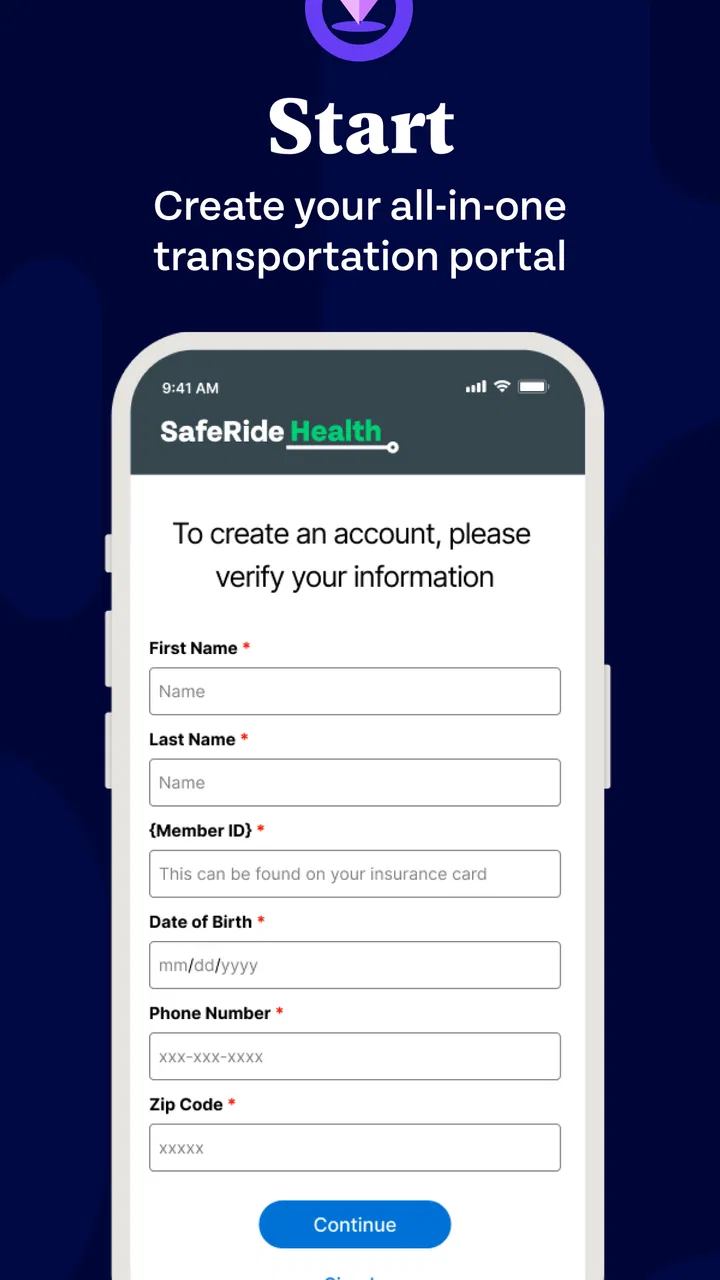
The store listing describes the central job simply: booking and managing rides for health plan members. In everyday terms, I see the app as a digital place to handle transportation that might otherwise require a phone call, a paper reminder, or several separate conversations. That can be especially helpful for recurring appointments, follow-up visits, therapy sessions, or other trips where remembering the arrangement is almost as important as making it.
MySafeRide is currently at version 1.1.0, and its public reception is mixed. It has a 3.1 average from around 400 ratings, with more than 200 written reviews and over 50,000 installs. Those figures suggest that the app has found a real audience, but they also tell me not to describe it as universally smooth. A transportation app can be judged harshly when a small problem affects an important appointment, so I pay attention not only to the convenience promised but also to the consequences of anything that goes wrong.
The strongest reason to try it
The best argument for this app is consolidation. Health-related rides often involve details that are easy to lose: the appointment location, the pickup arrangement, the return trip, and the timing needed to avoid arriving late. Having a dedicated place to book and manage those rides can remove some of the mental load. I especially appreciate the idea of checking the trip through the same service used to arrange it instead of relying entirely on memory.
That benefit is easy to underestimate until a normal day becomes complicated. Imagine a member with a morning appointment at a clinic across town. They have to leave early, bring paperwork, arrange a return journey, and possibly coordinate with a family member. A standard rideshare app might handle a car request, but it does not automatically represent the member’s health-plan transportation process. MySafeRide is more relevant when the ride is part of that organized benefit rather than a one-off private booking.
Another useful angle is repeatability. If someone has several appointments over a period of time, a dedicated ride-management app gives them a more appropriate workflow than searching for a new taxi every time. I would still check each trip carefully, but the app’s purpose makes more sense for ongoing care than for occasional leisure travel. That is one of the non-obvious strengths: the service is potentially most valuable when transportation is a recurring part of a person’s healthcare routine.
There is also a practical advantage for people who prefer handling arrangements themselves. Calling a transportation line can be reassuring when a situation is unusual, but it can also be inconvenient when the request is routine. An app gives a member a way to take care of ordinary ride administration at a time that suits them. For someone who is comfortable using a phone and wants a written place to review the arrangement, that can feel more manageable than explaining the same information repeatedly.
Where the focused design becomes a limitation
The same specialization that makes MySafeRide useful also limits its audience. It is not a general-purpose ride marketplace, and I would not install it expecting the freedom to request any trip anywhere. Its usefulness depends on being a health plan member whose transportation needs fit the service. That means the first practical question is not whether the interface looks convenient; it is whether the app applies to your coverage and the type of ride you need.
This is an important trade-off. A normal rideshare app may offer faster availability, more visible vehicle choices, and a familiar process for personal travel. A taxi company may be easier when you need to speak directly with a dispatcher. A clinic may have its own transportation instructions. MySafeRide is better when the health-plan connection is central. It is not automatically better simply because it is dedicated to medical transportation.
I also think users should avoid treating an app as a substitute for confirming a critical ride. For a high-stakes appointment, I would review the booking details early, keep the appointment information handy, and contact the appropriate support channel if anything looks wrong. The app can simplify management, but convenience should not become overconfidence. A digital record is helpful; it is not a guarantee that every part of a journey will unfold perfectly.
The rating of 3.1 reinforces that cautious approach. I do not read it as proof that the app is poor, because transportation experiences can depend on circumstances outside the interface. I do read it as a sign that prospective users should allow time to learn the workflow and should have a backup plan for important visits. When the cost of missing an appointment is high, the safest habit is to verify rather than assume.
Small habits that make the app more useful
My first recommendation is to manage a ride before it becomes urgent. If an appointment is scheduled weeks ahead, I would use that breathing room to enter or review the trip and make sure the destination is represented correctly. Waiting until the same morning leaves less time to resolve a problem, whether the issue is an address, timing, eligibility, or a return arrangement.
Second, I would treat the outbound and return portions as separate planning problems. People often focus on getting to the clinic and then discover that the return journey is less clear. For appointments that may run late, I would pay particular attention to how the ride home is handled and avoid assuming that the first booking automatically solves every later detail. This is a simple workflow improvement, but it is exactly the kind of detail that a short store description does not explain.
Third, I would use the app alongside a personal appointment routine rather than as the only reminder. I keep the clinic name, appointment time, and a contact number in my calendar, then use the transportation app for the ride itself. That separation is useful because healthcare plans and appointments can change independently. If a clinic reschedules me, I know to revisit the ride instead of trusting an old arrangement.
A fourth tip is to think about who will actually operate the phone on the day of travel. Some members may book their own rides, while others may rely on a relative or caregiver. In the latter case, it helps to decide in advance who will check the trip and who will notice a change. The app can support the booking process, but it cannot replace clear coordination between the member and the person helping them.
Who will benefit most
I would recommend MySafeRide first to health plan members who regularly travel to medical appointments and want a dedicated way to arrange those rides. It is also a sensible option for people who dislike making repeated phone calls for routine transportation, provided they are comfortable using a mobile app. Caregivers may find it useful as part of a broader organization system when they help someone keep track of appointments and travel.
The app may be particularly worthwhile for members who have several kinds of healthcare visits rather than one occasional appointment. Repeated use gives the ride-management function a chance to justify itself. Instead of being another app installed for a single event, it can become part of the preparation routine: check the appointment, arrange the ride, review the return plan, and confirm everything again closer to the visit.
I would be more hesitant to recommend it to someone who needs immediate transportation for an urgent situation, wants to compare prices across providers, or travels mainly for non-medical reasons. I would also suggest caution for anyone who finds app-based administration frustrating or who has difficulty checking a phone independently. In those cases, a direct phone service, a caregiver, or a familiar local transportation provider may be a better fit.
People should also distinguish between transportation convenience and medical care. MySafeRide helps with the journey; it does not replace an appointment reminder system, a clinic portal, or communication with a healthcare provider. If an appointment changes, the member still needs to update the transportation plan. If a ride is delayed, the clinic may still need to be informed. The app works best as one part of a care routine, not as the entire routine.
How it compares with familiar alternatives
Compared with a normal rideshare app, MySafeRide is more specialized and potentially more relevant to covered medical transportation, but less useful for spontaneous personal travel. A rideshare marketplace is usually designed around speed, availability, and choosing a ride in the moment. MySafeRide is designed around a member’s organized transportation need. I would choose the former for dinner across town and the latter when my health plan’s ride process is the reason I am traveling.
Compared with calling a transportation provider, the app offers a more self-service approach. The phone remains the better option when a trip is unusual, when a member needs personal guidance, or when a problem requires explanation. The app is more appealing for repeatable requests where the member already understands the process. In my experience, the best choice is not ideological: use the app for ordinary planning and a human channel when the situation falls outside the ordinary.
Compared with a clinic’s own shuttle or volunteer driver arrangement, MySafeRide is likely to be more connected to the health-plan ride workflow, while a local service may know the facility and neighborhood better. The right option depends on who is responsible for the trip and what kind of support the member needs. I would not abandon a reliable local arrangement just because a dedicated app exists. The app earns its place when it makes the covered process easier, not merely because it is digital.
Practical expectations before installing
MySafeRide is free to download and use, which removes the financial barrier that often makes people hesitate over a specialized utility. It is rated for everyone and supports Android devices running version 6.0 or later. Those requirements make it accessible to many older phones, although the real question for a potential user is still whether their health plan and transportation needs align with the service.
I would approach installation with a specific purpose rather than curiosity. If you are a qualifying member with an upcoming appointment, install it early enough to learn where ride details are handled. If you have no connection to a participating health-plan transportation process, the app is unlikely to offer much value simply as a general travel tool. That is a more useful test than judging it by the number of features shown in a store page.
Because the app is relatively focused, I value clarity over visual extras. The most important test is whether I can understand the status of a planned ride, prepare for the appointment, and manage changes without unnecessary confusion. If those actions feel straightforward, the limited scope is acceptable. If they feel uncertain, the app’s specialization becomes less reassuring, especially for time-sensitive medical travel.
My main advice is to use it as a planning aid, not as your only safety net. Keep your appointment details available, check the trip before the day arrives, and give yourself enough time to react if something needs attention. That approach preserves the app’s convenience while recognizing the real-world stakes of medical transportation.
My final recommendation
After weighing its purpose and limitations, I see MySafeRide as a useful but conditional app. Its strongest quality is that it addresses a specific problem: organizing rides connected with health-plan membership. For the right user, that focus can be more helpful than a broad transportation app because it fits the way medical trips are actually arranged and repeated.
It is not a universal answer for getting around, and the mixed 3.1 average means I would not recommend relying on it blindly for an important appointment. The sensible approach is to try it with a planned, non-urgent trip, learn how ride management works, and keep a backup contact method available. If the workflow fits your coverage and your routine, the app can earn a regular place on your phone.
My verdict is therefore positive with clear conditions: choose MySafeRide when health-plan transportation is your need, not when ordinary ride-hailing is your goal. SafeRide Inc has created a narrow tool with a meaningful everyday purpose. I would recommend it to eligible members who want more control over routine medical rides, while steering spontaneous travelers and users who need extensive human assistance toward a more traditional alternative.
FAQs for MySafeRide - Manage your rides
01What features does MySafeRide offer for managing rides?
MySafeRide provides a comprehensive suite of features for ride management, including real-time tracking, ride scheduling, and fare estimation. Users can book rides in advance, set preferred routes, and access detailed trip histories. The app also offers safety features like emergency contacts and alerts, ensuring a secure experience.
02Is MySafeRide available for both Android and iOS devices?
Yes, MySafeRide is available for download on both Android and iOS platforms. You can find it on the Google Play Store and the Apple App Store, ensuring compatibility with a wide range of smartphones and tablets. Make sure to check the system requirements for optimal performance.
03How does MySafeRide ensure passenger safety during rides?
MySafeRide emphasizes passenger safety with features such as driver verification, real-time location sharing, and emergency SOS buttons. The app allows users to share their ride details with trusted contacts and receive instant alerts in case of any suspicious activity, providing peace of mind throughout the journey.
04What payment options are supported by MySafeRide?
MySafeRide supports multiple payment options, including credit and debit cards, digital wallets, and cash. Users can securely store payment information within the app for seamless transactions. Additionally, the app provides detailed fare breakdowns and receipts for transparency and expense tracking.
05Can I schedule rides in advance with MySafeRide?
Absolutely, MySafeRide allows users to schedule rides in advance, making it convenient for planning trips ahead of time. You can specify your pick-up location, destination, and preferred time, ensuring that a ride is ready when you need it. This feature is ideal for airport transfers and early morning commutes.
Pros
- User-friendly interface for easy navigation.
- Real-time ride tracking for added safety.
- Multiple payment options available.
- Customizable ride preferences.
- 24/7 customer support.
Cons
- Limited to specific cities and regions.
- Requires constant internet connection.
- Occasional app crashes reported.
- No option for ride sharing.
- Lacks integration with other travel apps.

MySafeRide - Manage your rides
Gallery